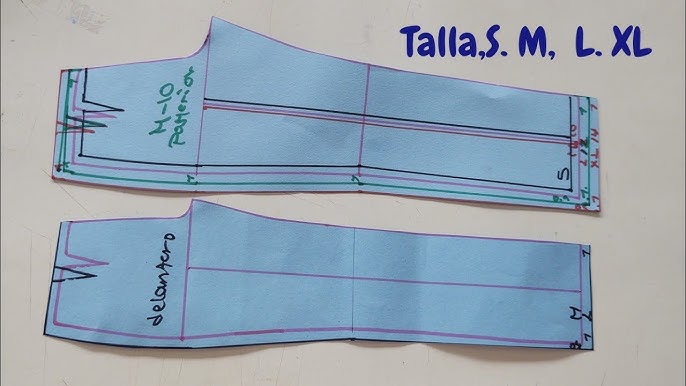
Creating your own casual pants is one of the most rewarding sewing projects for beginners and experienced sewists alike. Not only can you customize the fit and style, but you can also choose high-quality fabrics and create a garment that perfectly suits your wardrobe. In this step-by-step guide, you’ll learn how to make comfortable casual pants using an easy sewing pattern, basic sewing tools, and simple construction techniques.
Why Make Your Own Casual Pants?
Homemade pants offer several advantages over store-bought clothing. You can adjust the fit to your body shape, select your favorite fabric, and create unique designs that reflect your personal style. Sewing your own clothing is also an excellent way to improve your tailoring skills while saving money in the long run.
Materials and Sewing Supplies
Before getting started, gather the following sewing essentials:
- 2–3 yards of cotton, linen, twill, or lightweight denim fabric
- Matching thread
- Sewing machine
- Fabric scissors
- Measuring tape
- Straight pins or sewing clips
- Pattern paper
- Fabric marker or tailor’s chalk
- Ruler and French curve
- Iron and ironing board
- Elastic waistband or buttons
- Zipper (optional)
- Interfacing for waistband reinforcement
Using high-quality sewing tools can significantly improve the final appearance of your garment and make the sewing process easier.
Taking Accurate Body Measurements
Proper measurements are the foundation of a well-fitting pair of pants. Measure the following:
- Natural waist
- Hip circumference
- Inseam length
- Outseam length
- Thigh circumference
- Rise measurement
Write down each measurement carefully and add seam allowances before drafting your pattern.
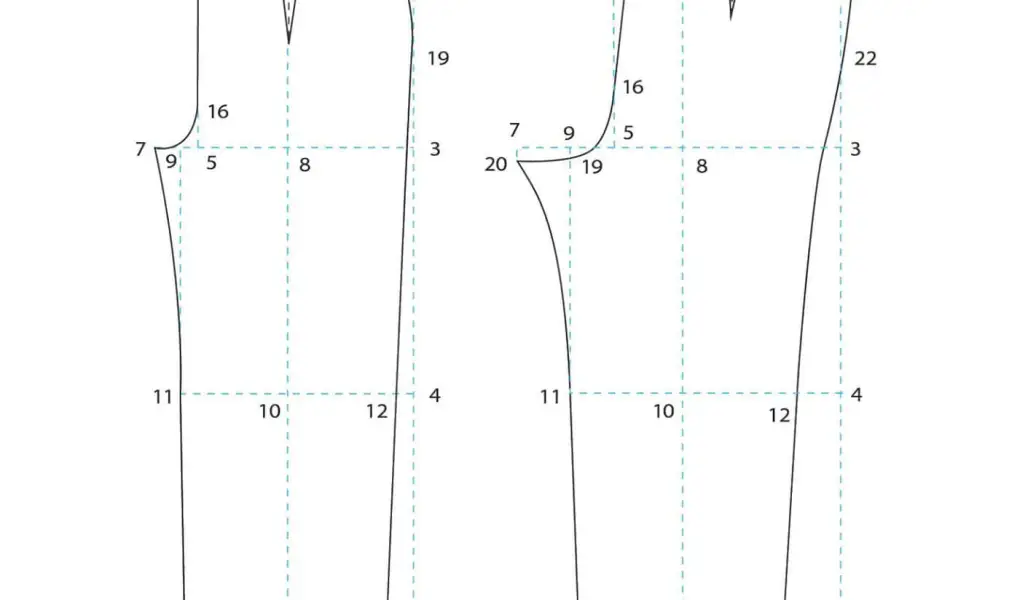
Drafting an Easy Pants Pattern
Begin by drawing a rectangle on pattern paper using your hip measurement and desired pant length.
Next:
- Mark the waistline.
- Draw the hip line.
- Create the crotch curve.
- Define the leg width.
- Shape the side seams.
- Add seam allowances.
Remember that the back pattern piece typically requires a deeper crotch curve and slightly more room than the front piece for comfort and mobility.
Choosing the Best Fabric for Casual Pants
The fabric you choose affects both comfort and appearance.
Cotton
Breathable, beginner-friendly, and easy to sew.
Linen
Lightweight and perfect for warm weather.
Twill
Durable and ideal for everyday wear.
Lightweight Denim
Provides structure while remaining comfortable.
For beginners, cotton and twill are often the easiest fabrics to work with.
Cutting the Fabric
Fold your fabric according to the grainline instructions.
Place the pattern pieces on the fabric and secure them with pins. Carefully cut:
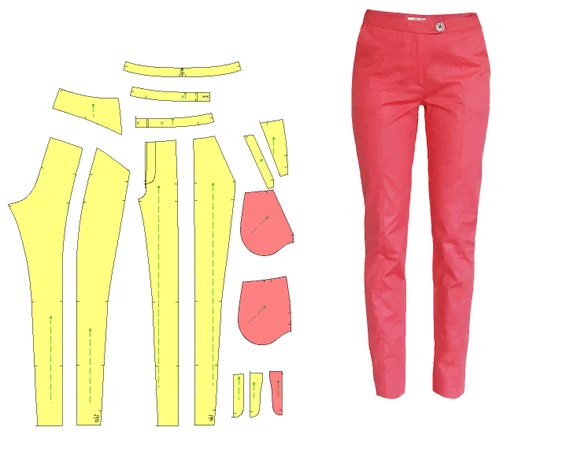
- Front leg pieces
- Back leg pieces
- Waistband pieces
- Pocket pieces (optional)
Double-check all markings before cutting to avoid mistakes.
Sewing the Pants Step by Step
Step 1: Sew the Front and Back Pieces
Join the front and back pieces at the side seams using a straight stitch.
Step 2: Sew the Inseams
Match the inner leg seams and stitch carefully.
Step 3: Create the Crotch Seam
Turn one leg right side out and place it inside the other leg. Align the crotch curves and sew around the entire curve.
Step 4: Attach the Waistband
Depending on your design, attach either:
- An elastic waistband
- A buttoned waistband
- A zipper fly closure
For extra durability, reinforce the waistband with interfacing.
Step 5: Hem the Pants
Try on the pants and determine the desired length. Fold and stitch the hems neatly.
Professional Sewing Tips
- Press every seam as you sew.
- Use quality thread to prevent breakage.
- Test your stitch length on scrap fabric.
- Finish raw edges with a serger or zigzag stitch.
- Always prewash fabric before cutting.
These simple techniques can make homemade garments look professionally tailored.
Customization Ideas
Make your pants unique by adding:
- Side pockets
- Back pockets
- Decorative stitching
- Belt loops
- Contrast waistbands
- Cuffed hems
These details can elevate a simple sewing project into a fashionable wardrobe staple.
Frequently Asked Questions
Is this project suitable for beginners?
Yes. Basic sewing skills and a simple sewing machine are enough to complete this project.
How much fabric do I need?
Most adult sizes require between 2 and 3 yards of fabric, depending on the width of the material.
What is the easiest fabric for beginners?
Cotton fabric is generally the easiest to measure, cut, and sew.
Do I need a sewing machine?
A sewing machine is recommended because it provides stronger and more durable seams than hand sewing.
How long does it take to sew casual pants?
Most beginners can complete the project in 4 to 8 hours.
Final Thoughts
Learning how to make casual pants with easy sewing patterns is an excellent way to develop your sewing skills while creating comfortable, custom-fit clothing. With the right sewing machine, quality fabric, and a simple pattern, you can produce professional-looking pants that rival store-bought garments. Whether you’re a beginner or an experienced sewist, this project is both practical and rewarding.