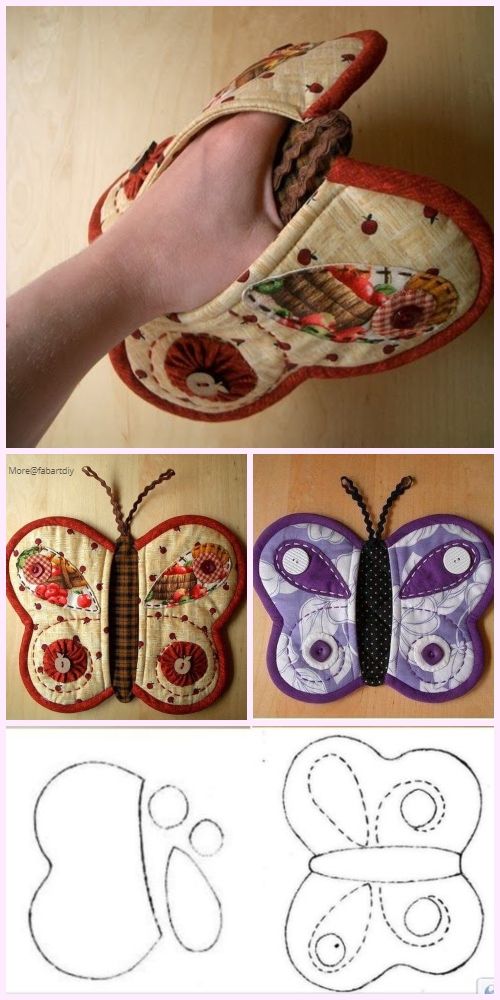
Creating handmade butterfly potholders is a wonderful way to combine creativity, practicality, and the joy of quilting. This tutorial is designed especially for beginners who want to explore Quilt techniques in a relaxed and rewarding way. Butterfly potholders are charming, useful, and perfect for practicing a simple Quilting Pattern without feeling overwhelmed.
In this article, you will learn everything you need to know to make your own beautiful butterfly potholders from start to finish. We will cover materials, cutting, sewing, quilting, finishing, and personalization ideas. The goal is to help you feel confident, inspired, and excited to keep quilting.
Whether you are sewing for your own kitchen or creating handmade gifts, this project is a lovely introduction to the world of quilting.
Why Butterfly Potholders Are a Great Quilting Project
Butterfly potholders are an excellent choice for beginners because they use basic shapes and straightforward construction. Unlike large quilts, potholders are small, which means less fabric, faster progress, and quicker satisfaction. This makes them ideal for anyone just starting with Quilt projects.
Another advantage is the visual impact. Even with simple piecing, the butterfly shape looks detailed and decorative. A well-chosen Quilting Pattern can turn a few fabric pieces into something that feels special and professional.
Finally, butterfly potholders are highly versatile. You can make them colorful, elegant, playful, or classic depending on your fabric choices. This flexibility allows beginners to express creativity while following a clear and structured process.
Materials and Tools You Will Need
Before starting, it is important to gather all your materials. Being prepared helps the project flow smoothly and makes quilting more enjoyable.
You will need cotton quilting fabric in two or three coordinating colors for the butterfly wings, along with a background fabric that helps the butterfly stand out. For the inside, choose heat-resistant batting or thick cotton batting suitable for potholders. You will also need backing fabric and binding fabric or bias tape.
Basic tools include a sewing machine, rotary cutter, cutting mat, quilting ruler, pins or clips, matching thread, and an iron. These are standard supplies for most Quilt projects and will be useful for many future Quilting Pattern designs.
Understanding the Butterfly Potholder Design
The butterfly design is usually symmetrical, which makes it forgiving for beginners. Small inaccuracies often go unnoticed because the eye focuses on the overall shape rather than tiny details. This symmetry is one of the reasons butterfly motifs are so popular in quilting.
Most butterfly potholders are created using simple piecing techniques. Straight seams, rectangles, triangles, or gently curved shapes are combined to form wings and a central body. This keeps the Quilting Pattern accessible while still producing a visually appealing result.
For beginners, a pieced butterfly design with straight seams is recommended. It builds confidence and teaches essential quilting skills that can later be applied to more complex Quilt projects.
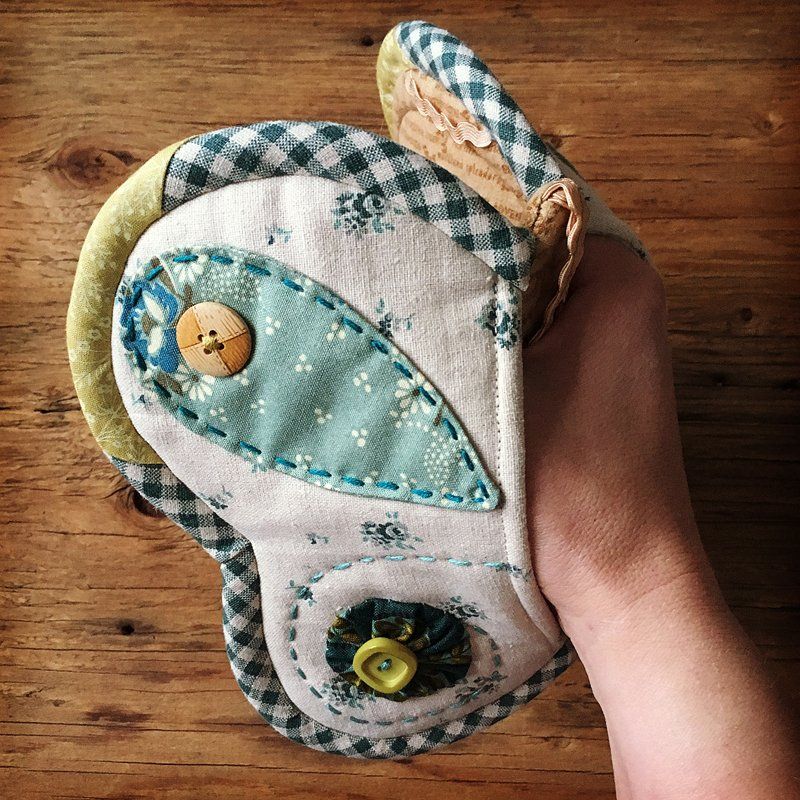
Step 1: Preparing and Cutting the Fabric
Start by washing, drying, and pressing all your fabrics. This step prevents shrinkage and ensures your potholder keeps its shape after washing. Fabric preparation is a fundamental habit in quilting and should never be skipped.
Next, cut your fabric pieces according to your chosen butterfly design. Typically, you will need two matching wing pieces, a narrow piece for the butterfly body, and background fabric pieces to frame the design. Accuracy is important here, so take your time while cutting.
Using a rotary cutter and ruler helps create clean, straight edges. Precise cutting makes sewing easier and ensures your Quilting Pattern lines up nicely in the finished potholder.
Step 2: Sewing the Butterfly Wings
Lay out your wing pieces on a flat surface before sewing. This allows you to check color placement and balance. Adjust the arrangement until you are happy with how the butterfly looks.
Sew the wing pieces together using a consistent seam allowance, usually a quarter inch. After sewing each seam, press it flat with an iron. Pressing is just as important as stitching in quilting, as it reduces bulk and keeps the block neat.
Once both wings are sewn, place them side by side to ensure they mirror each other. This step helps maintain symmetry and gives your butterfly a graceful, balanced appearance.
Step 3: Adding the Butterfly Body and Background
With the wings complete, sew the body piece between them. Align the edges carefully so the butterfly looks centered. This step brings the design together and makes the butterfly instantly recognizable.
Next, add the background fabric around the butterfly. This framing helps the design stand out and turns the butterfly into a complete Quilt block. Make sure the background pieces are sewn evenly to keep the potholder square.
Press the entire top once more. At this stage, your butterfly potholder top should look finished and ready for quilting.
Step 4: Layering and Quilting the Potholder
Create a quilt sandwich by placing the backing fabric wrong side up, the batting in the middle, and the butterfly top right side up. Secure the layers with pins or clips to prevent shifting while sewing.
Quilt the layers together using simple straight lines or gentle curves. For beginners, straight-line quilting is the easiest and still looks beautiful. You can quilt around the butterfly shape or stitch evenly across the entire potholder.
This step adds texture and durability. Quilting is what transforms layered fabric into a functional Quilt item that can withstand heat and regular use.
Step 5: Trimming and Binding
After quilting, trim away excess batting and backing so all layers are even. Clean edges make binding easier and improve the final appearance.
Attach the binding or bias tape around the edges of the potholder. This step finishes the edges and gives your project a polished look. If you are new to binding, pre-made bias tape can make the process simpler.
Once the binding is sewn, press the potholder one last time. Your butterfly potholder is now complete and ready to use.
Personalization and Creative Ideas
One of the best parts of quilting is personalization. Try different color combinations, from soft pastels to bold contrasts. Each fabric choice gives the same Quilting Pattern a completely different feel.
You can also experiment with size, making larger potholders for extra protection or smaller ones for decoration. Adding embroidery details or decorative quilting stitches can make your butterfly even more unique.
Consider making a matching set using the same Quilt design in different colors. This is a great way to practice consistency while building a coordinated kitchen collection.
Helpful Tips for Beginners
Take your time and enjoy the process. Quilting is not about speed but about creativity and relaxation. Slow, careful sewing leads to better results and more enjoyment.
Press your seams often and measure before cutting. These habits prevent common beginner mistakes and help your Quilt projects look more professional.
Most importantly, don’t worry about perfection. Small imperfections are part of handmade charm and every project helps you improve your skills.
Final Thoughts and Invitation to Share
Making butterfly potholders is a delightful way to explore quilting while creating something useful and beautiful. This project introduces essential Quilt techniques and shows how a simple Quilting Pattern can come together step by step.
Each potholder you make builds confidence and opens the door to more creative Quilt projects. Whether you keep them or give them as gifts, they are filled with warmth and care.
Now it’s your turn. Try this tutorial, choose your favorite fabrics, and make your own butterfly potholders. When you finish, share your project with friends, family, or online to inspire others on their quilting journey. Happy quilting!