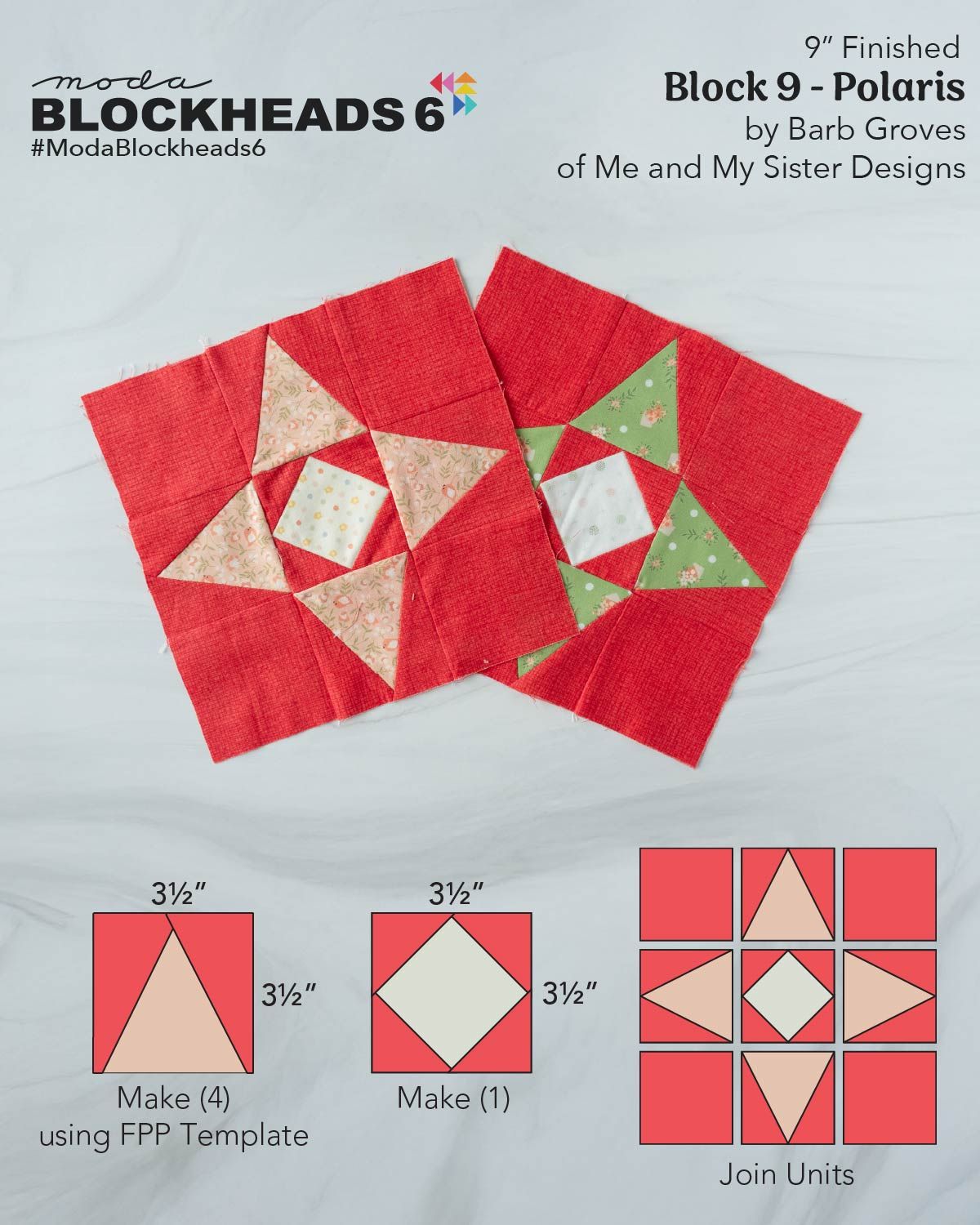
The Polaris quilt block is a timeless and visually striking quilt design that combines symmetry, movement, and classic patchwork charm. Loved by quilters of all skill levels, this star-inspired block stands out for its balanced geometry, strong visual contrast, and endless creative possibilities. Whether made with bold, high-contrast fabrics or soft, traditional color palettes, the Polaris quilt block adapts beautifully to different quilting styles while maintaining its iconic star structure.
The Inspiration Behind the Polaris Quilt Block
The Polaris quilt block draws inspiration from navigation, direction, and the guiding star. Much like the North Star has guided travelers for centuries, this quilt block symbolizes guidance, stability, and craftsmanship. Its design resembles a compass rose, with symmetrical points radiating from a central focal area. This structured layout creates a sense of motion across the quilt, making it a popular choice for both modern and traditional quilt projects.
Key Design Characteristics
The Polaris quilt block is a star-based pattern defined by precise geometry and balanced symmetry. Its points extend outward evenly, creating a bold and dynamic visual effect. The block is typically constructed using triangles, half-square triangles, square units, and occasionally diamond shapes. When these elements come together, they form a star that appears to point in multiple directions, reinforcing the theme of navigation and balance.
The Importance of Color and Contrast
One of the defining features of the Polaris quilt block is its strong visual contrast. Strategic placement of light and dark fabrics helps highlight the star points and gives the design depth and clarity. High-contrast color choices make the star shape more pronounced, while softer contrasts create a subtle, elegant look. Color placement plays a crucial role in maintaining the block’s visual impact.
Block Size and Visual Impact
The Polaris quilt block can be made in various sizes depending on the quilter’s preference. Smaller blocks create intricate, detailed quilts, while larger blocks emphasize bold star shapes and dramatic layouts. Both options work well, allowing quilters to tailor the design to their project goals.
Materials and Fabric Selection
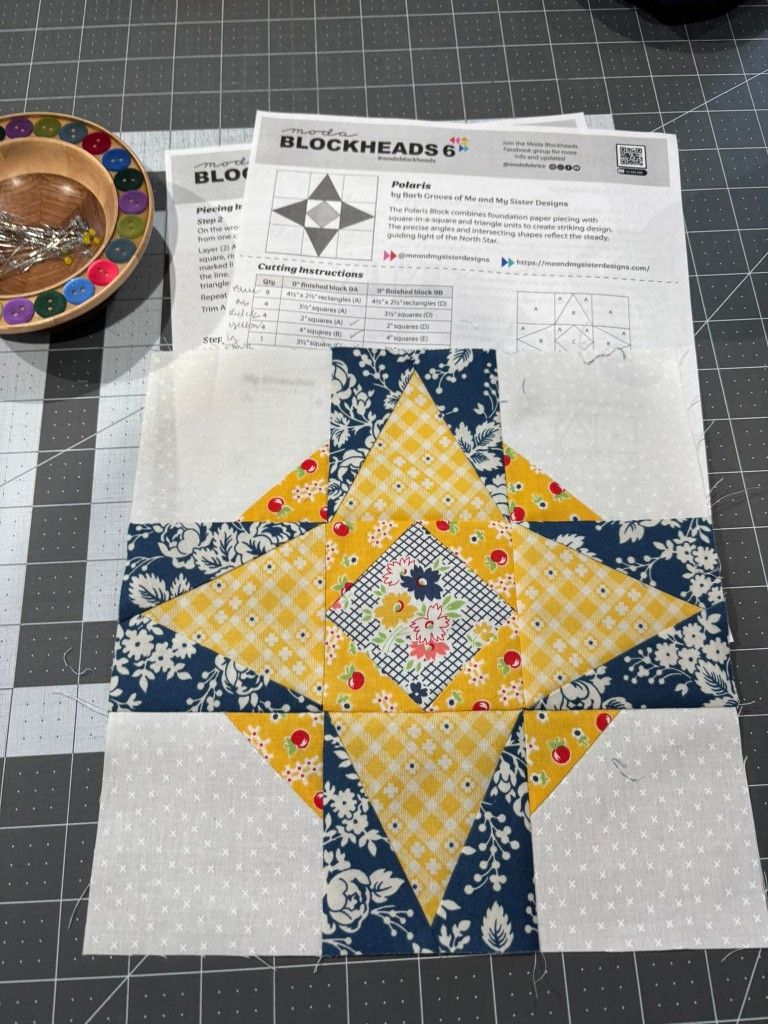
Choosing the right materials is essential for a successful Polaris quilt block. High-quality cotton fabric is the most common choice due to its durability, ease of sewing, and ability to hold shape. Many quilters prefer solid fabrics because they clearly define the geometric shapes, though patterned fabrics can add texture and personality when used thoughtfully. Accurate cutting tools such as a rotary cutter, ruler, and cutting mat are crucial for clean edges and precise angles. Neutral-colored thread is often recommended to keep the focus on the design rather than the stitching.
Step-by-Step Construction Basics
Despite its complex appearance, the Polaris quilt block can be broken down into manageable steps. The design is usually built from half-square triangles and square units that are sewn together to form the star. Precision is key, as accurate seam allowances help maintain symmetry, while careful pressing ensures the block lies flat and the points align neatly. Many quilters find it helpful to arrange all pieces in a layout before sewing to visualize the final design and avoid mistakes. With practice, constructing the Polaris quilt block becomes both smooth and enjoyable.
Design Variations and Creative Ideas
One of the reasons the Polaris quilt block remains so popular is its versatility. Quilters often customize it using different color themes such as holiday palettes, patriotic schemes, or modern minimalist designs. Some experiment with gradient fabrics to create a glowing star effect, while others mix prints and solids to add texture and contrast. Rotating the blocks in different directions can also create dynamic quilt layouts that feel fresh and unique.
Common Mistakes and How to Avoid Them
The most common issues when making a Polaris quilt block include inaccurate cutting, uneven seam allowances, and poor fabric contrast. Taking time to measure carefully, stitch slowly, and plan color placement can prevent these problems. Proper pressing and patience during assembly go a long way toward achieving clean points and a professional finish.
Why the Polaris Quilt Block Remains a Favorite
The Polaris quilt block beautifully balances structure and creativity. While it relies on precision and symmetry, it also allows room for artistic expression through fabric choice, color placement, and layout variations. Its rich symbolism, classic star design, and adaptability ensure that the Polaris quilt block remains a beloved pattern for quilters who want to create meaningful and visually impactful quilts.